


Alkanatur Alkaline Ionised Antioxidant Jug
Pickup available at 30 Fabio Court
Usually ready in 1 hour

FREE SHIPPING for orders over $250 in Australia.
Flat $10 shipping fee for orders under $250.
We use several couriers including Australia Post and others.
Overseas orders. discounted shipping is calculated during checkout.
Not sure which product, water-filtration system or replacement cartridge is right for you? Contact our Australian team before ordering. We can help you compare options, check compatibility and understand installation requirements.
Contact Alkaline WorldAlkanatur Alkaline Ionised Antioxidant Jug
Make filtered, magnesium-enriched water part of your everyday routine. Designed and made in Spain, the Alkanatur Jug combines coconut-shell activated carbon and mineral-based filter media in a portable design for your kitchen, office or rental home.
- Natural mineral-based alkalising: the cartridge adds magnesium as water passes through; no electricity is needed.
- Filter capacity: up to 400 litres per cartridge, with replacement according to usage and the manufacturer’s time limit.
- Designed for potable tap water: a reusable jug with replaceable filters and no permanent installation.
- Published evidence: access the UNE testing certificate and university and laboratory reports below.
Filtered-water capacity: approximately 1.4 litres, as specified by the manufacturer. Alkanatur’s original-formula filter uses coconut-shell activated carbon and bioceramic media without ion-exchange resin.
What’s included
- Alkanatur Jug
- One Alkanatur filter cartridge
- BPA-free water bottle
- pH test strips and water pH test drops
CERTIFICATE & LABORATORY DOCUMENTS
UNE 149101:2025 testing certificate
Dr. Oliver Rodés Laboratory issued certificate 25101 for the Alkanatur Pitcher, batch 7/25. It states that water dispensed by the tested equipment complies with UNE 149101:2025, the Spanish standard for the suitability of drinking-water treatment equipment used inside buildings.
Issued: 13 October 2025
Validity stated on the certificate: until 13 October 2028
Download UNE 149101:2025 certificate & report (PDF)
English reference translation, with the accompanying laboratory report. The officially issued certificate is in Spanish. View the Spanish original.
The certificate identifies the tested Alkanatur Pitcher system and batch 7/25.
Understanding the certificate and report references
UNE 149101:2025 concerns equipment suitability. It is different from NSF/ANSI certification and is not a guarantee of a particular contaminant-removal percentage.
The October certificate cites analyses 9026168 and 9026169. The accompanying August report is 4371698 / analysis 8965985. It records coliform bacteria at 60 CFU/100 mL and states that accompanying microbial flora prevented an E. coli count. These earlier results have different analysis references from the October certificate. The full file is provided so both documents can be reviewed in context. It should not be read as a statement that every result in the appendix passed or that the jug disinfects unsafe water.
What the laboratory tests measured
Alkanatur publishes water-quality, mineral and materials reports from laboratories and university research teams. The results below describe the particular samples and conditions tested; they are not guaranteed concentrations for every refill.
Filtration, magnesium and sodium
- Trihalomethanes: a University of Vigo report dated 6 March 2020 measured total trihalomethanes at 35 ppb before filtration and below 10 ppb afterwards. Chloroform changed from 26 ppb to below 5 ppb. Read the before-and-after report.
- Magnesium: University of Vigo testing on 4 October 2017 measured 3 mg/L in tap water and 18 mg/L after the Alkanatur filter. This is the measured final concentration in that test. Read the magnesium report.
- Sodium: a separate University of Vigo test dated 22 March 2017 measured 6.6 mg/L both before and after filtration, showing no sodium increase in that sample. Read the sodium report.
pH, alkalinity and water chemistry — University of Almería, 2019
A University of Almería research team tested three source waters before and after filtration. The filtered samples had pH values of 9.32, 9.45 and 9.73, and increased acid-buffering capacity. The report also measured oxidation-reduction potential (ORP).
pH describes how acidic or alkaline the water is; buffering capacity describes its resistance to added acid. These are measurements of the water and do not establish effects on body pH or treatment of disease. Results depend on the source water and test conditions.
Health-quality certificate — National Institute of Public Health PZH, 2025
Poland’s National Institute of Public Health PZH issued certificate F.FB.60412.60.2025 for the Alkanatur Drops pitcher, cartridge and water-bottle set. It addresses health safety when the declared product is used as intended.
Issued: 5 August 2025. Stated validity: until 4 August 2028. The certificate expressly excludes filtration-performance characteristics and depends on the declared composition and manufacturing process remaining unchanged.
Plastic migration testing — Dr. Oliver Rodés Laboratory, 2021
Report 296928 examined migration of selected substances from materials in contact with water under Regulation (EU) 10/2011. In the tested sample, bisphenol A (BPA) was reported below 0.00005 mg/kg. The report also lists phthalates and other organic compounds, with their individual results and reference limits.
This is a laboratory report on the tested sample, rather than a claim that every possible substance is absent.
Food-contact materials — Institute of Ceramics of Galicia, 2016
The certificate signed on 29 August 2016 by Francisco Guitián Rivera, Professor at the University of Santiago de Compostela and Director of the Institute of Ceramics of Galicia, records manufacturers’ food-contact suitability certificates for the jug and filter materials. It also reports favourable findings for the pitchers examined by the institute.
Hormone-activity screening — ibs.GRANADA, 2017
Report 120717P assessed water kept in the pitcher using laboratory cell assays for oestrogenic, anti-oestrogenic, androgenic and anti-androgenic activity. The tested samples showed responses comparable to the relevant controls under the study conditions.
The findings apply to those specific laboratory assays; they are not a clinical health-benefit claim.
Historical water analysis — Dr. Oliver Rodés Laboratory, 2021
Report 296832 contains chemical and microbiological results for an Alkanatur water sample collected in October 2021. The accompanying statement assessed the sample under the Spanish drinking-water requirements applicable at the time, within the scope and exclusions stated in that document.
Download the full 2021 water analysis (PDF)
Download the laboratory’s statement of test (PDF)
Manufacturer’s materials declaration — Alkanatur, 2017
Alkanatur’s declaration dated 23 February 2017 describes the raw materials and additives used in its pitchers and filters, including its declarations concerning BPA and phthalates. This is a manufacturer declaration, separate from the independent laboratory reports above.
How to interpret filtration results
A result shown as “below” or with a < sign is below the laboratory’s stated reporting threshold. It does not mean zero. Measuring filtered water alone cannot establish how much of a substance the filter removed; that requires comparable input and output measurements.
The downloadable reports identify the tested samples, dates, methods and limitations. Water quality, cartridge age, use and maintenance can affect performance. The certificate covers the named jug system; it does not separately certify every replacement cartridge, accessory or colour.
Documents are supplied by Alkanatur. Where marked, English PDFs are reference translations of the originals. View Alkanatur’s complete certificates page.
Getting started and looking after your filter
- Wash the jug, lid and reservoir with mild soapy water and rinse well.
- Submerge the new cartridge with its small outlet hole facing upwards until the air bubbles stop, usually around 20 minutes.
- Support the reservoir on a firm surface outside the clear jug. Fit the cartridge with the grille upwards and outlet downwards; do not force it into an unsupported reservoir.
- Run three full reservoir fills through the cartridge and discard that water. Start drinking from the fourth fill.
Clean the jug weekly. Rinse the cartridge with water only. Replace after 400 litres, typically around 3 months; the manufacturer specifies a maximum of 5 months, whichever limit comes first. Follow the instructions supplied with your cartridge.
Use potable drinking water only. The jug is not a disinfecting system for untreated or microbiologically unsafe water.
Read the manufacturer’s full care instructions · Watch the filter setup video
I started using this product back in April 2024 and I absolutely love it. Will worth the money!

Removed chlorine taste which was spoiling our taste for the water that is usually good in our part of the world. Better Tea and Better coffee .As seniors we drink more.Wish it came in black rather than turquoise but the latter does suggest water.

Cleans water, great tasting, very healthy.
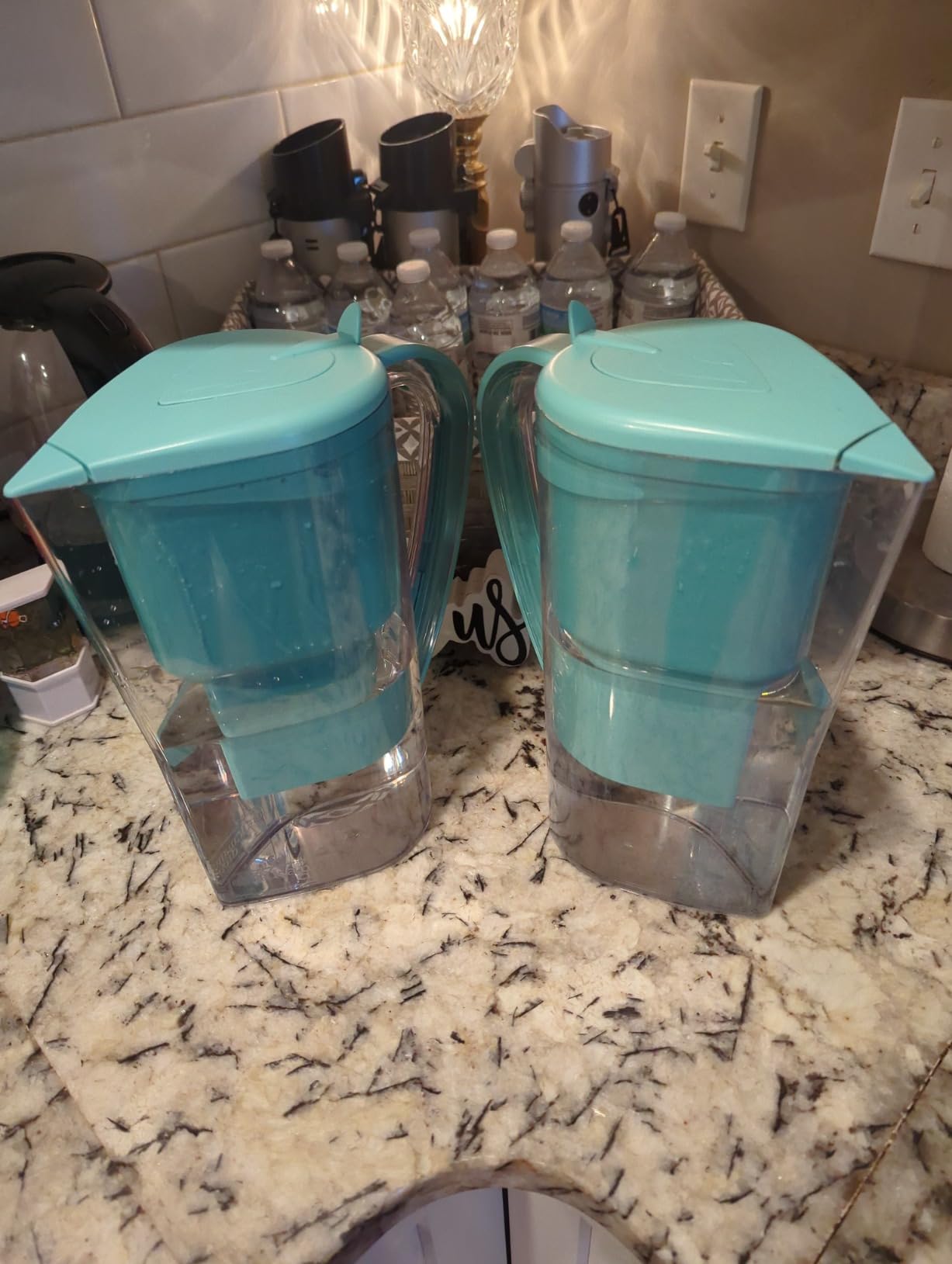
A la izquierda Agua de grifoEn el centro agua de mineralización muy débilA la derecha agua de jarra AlkanaturSegún el color alcaliniza muxo más la de grifo, falta usarla y observar resultados, pero de momento, muy buena impresion
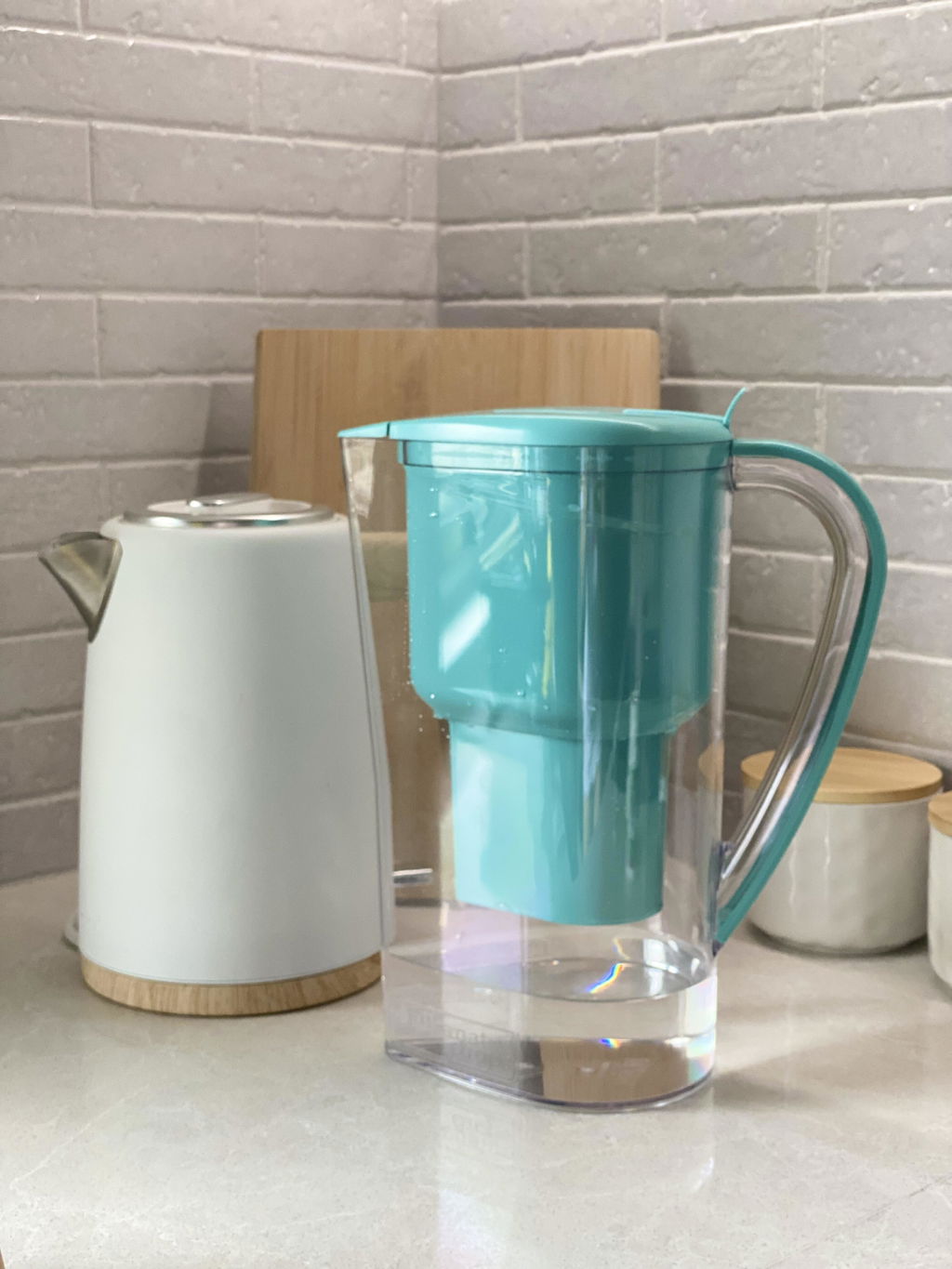
I have Chronic Lyme disease and extreme sensitivities. While waiting for my reverse osmosis water filter unit to arrive and be installed, I purchased this water jug. Richard was extremely helpful and knowledgeable. Even so, given my many past bad experiences with water and other filter jugs like Brita which makes me sick, I was sceptical about it (as all I have tolerated in the past is pure RO water). However I was VERY SURPRISED at how well I tolerated the water!!! I could not believe it. I could not even taste or smell any chlorine!!! It was phenomenal!
The water tastes really good and energising. It is alive water and it just tastes good for you! I would highly recommend this water jug for anyone. If you have MCS or other sensitivities and are needing a good water filter asap but can’t afford Reverse Osmosis- this is the one for you!!! Highly recommend it hands down. It is an affordable price and the filters last 3 months or so before needing replacing. And it seems to take surprisingly less time to filter water than I remember other water jugs do - so that’s a bonus!
It’s great also to take with you on holidays.
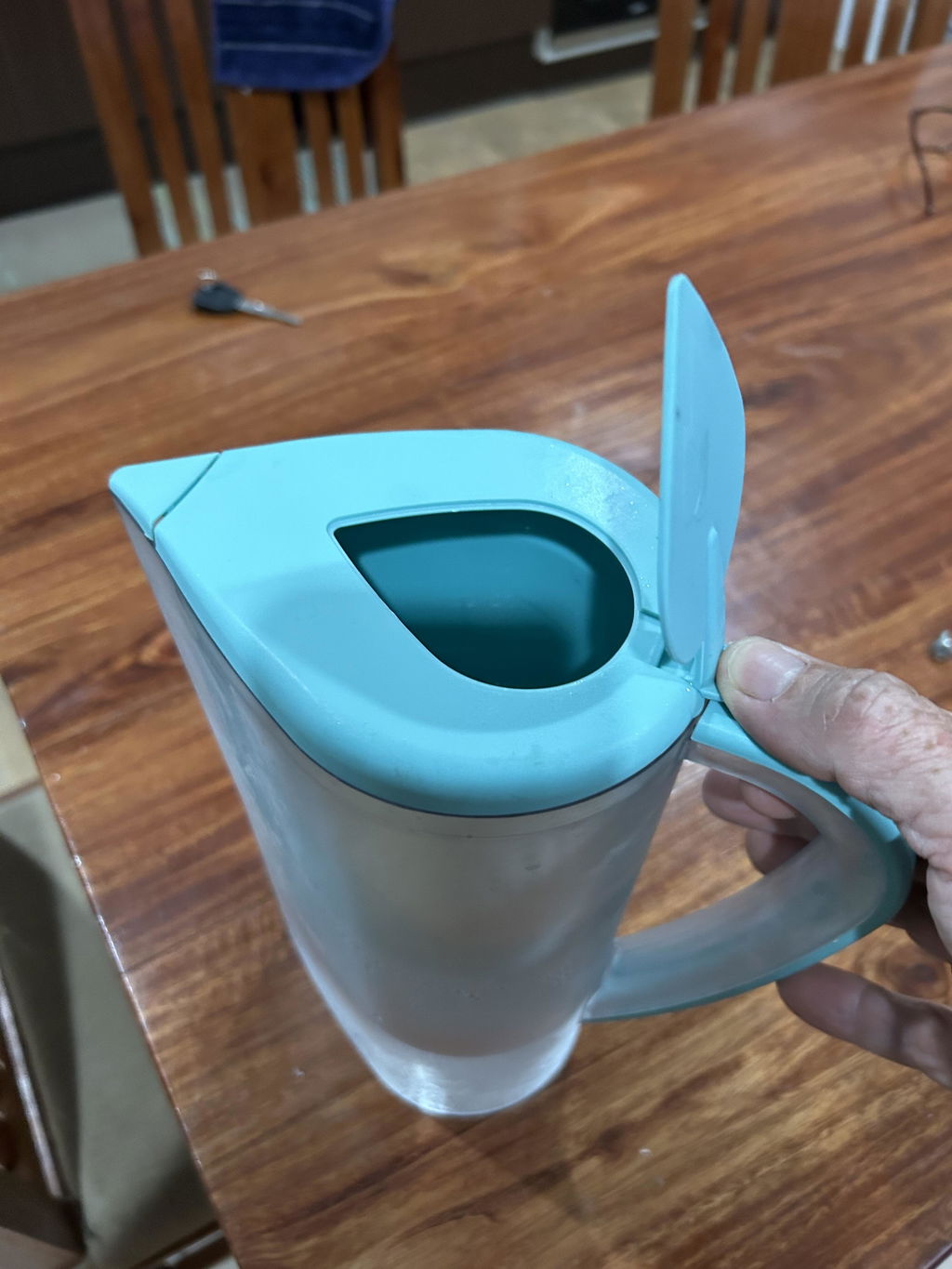
Lid when filling does not stay in the open position, you need to hold it open as you refill it, difficult when refilling from large water bottles.
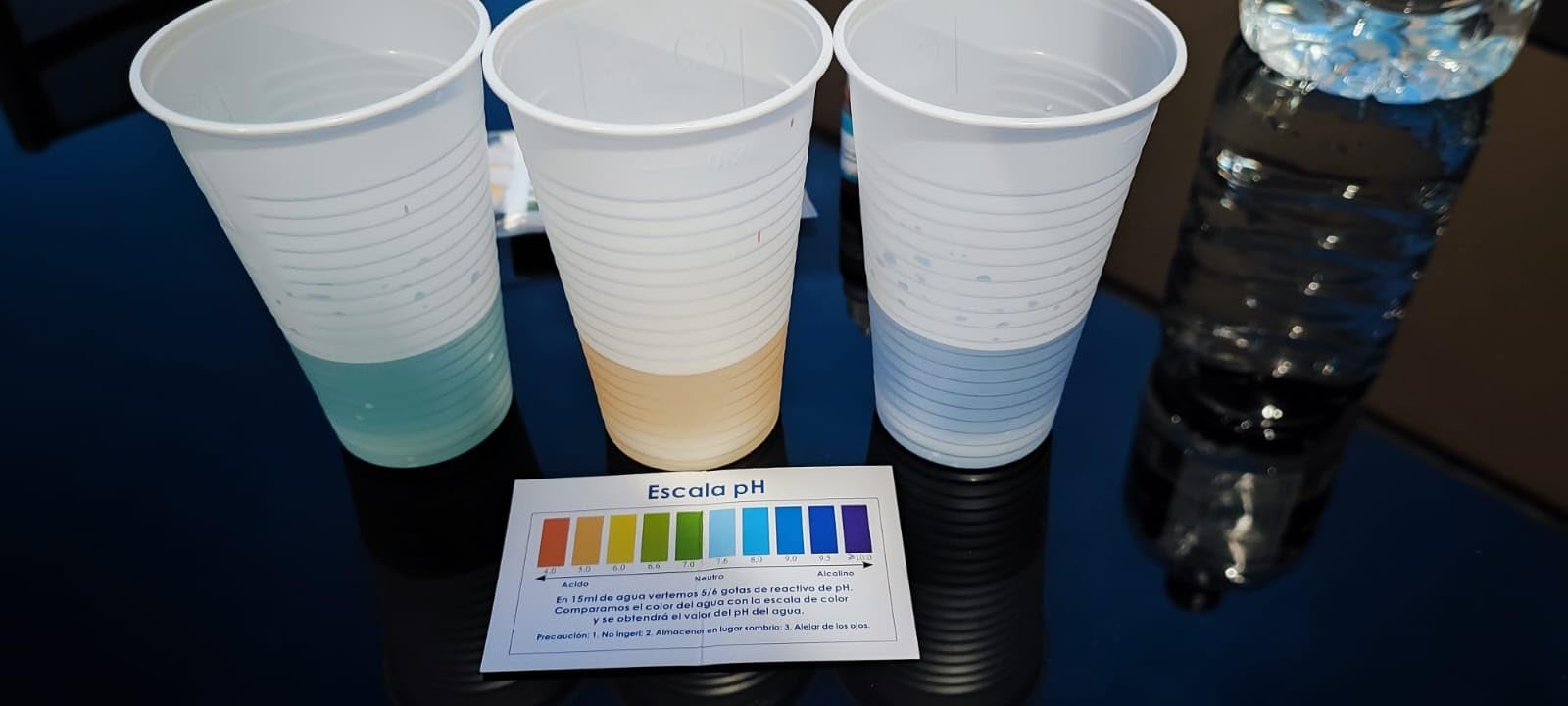
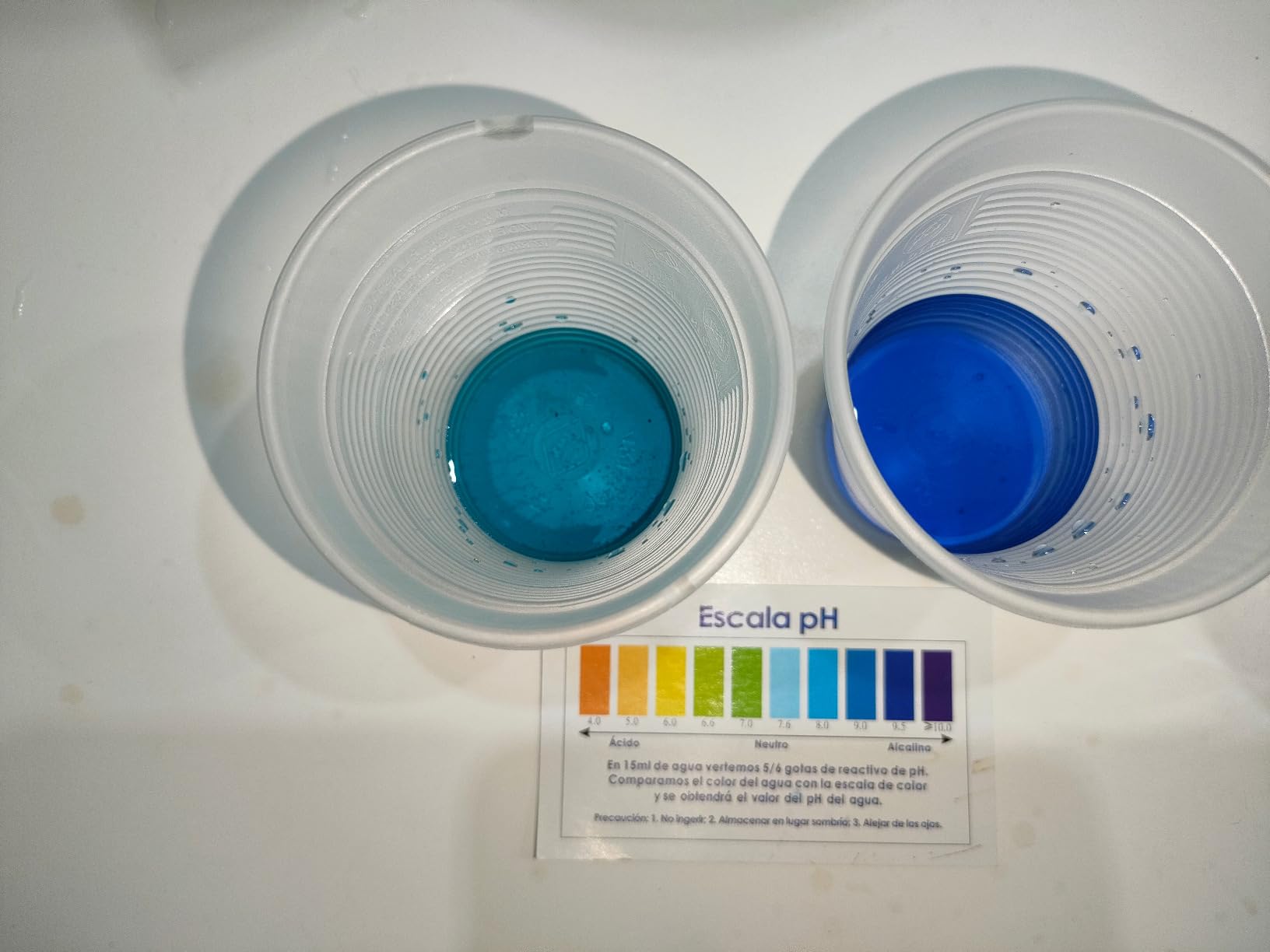
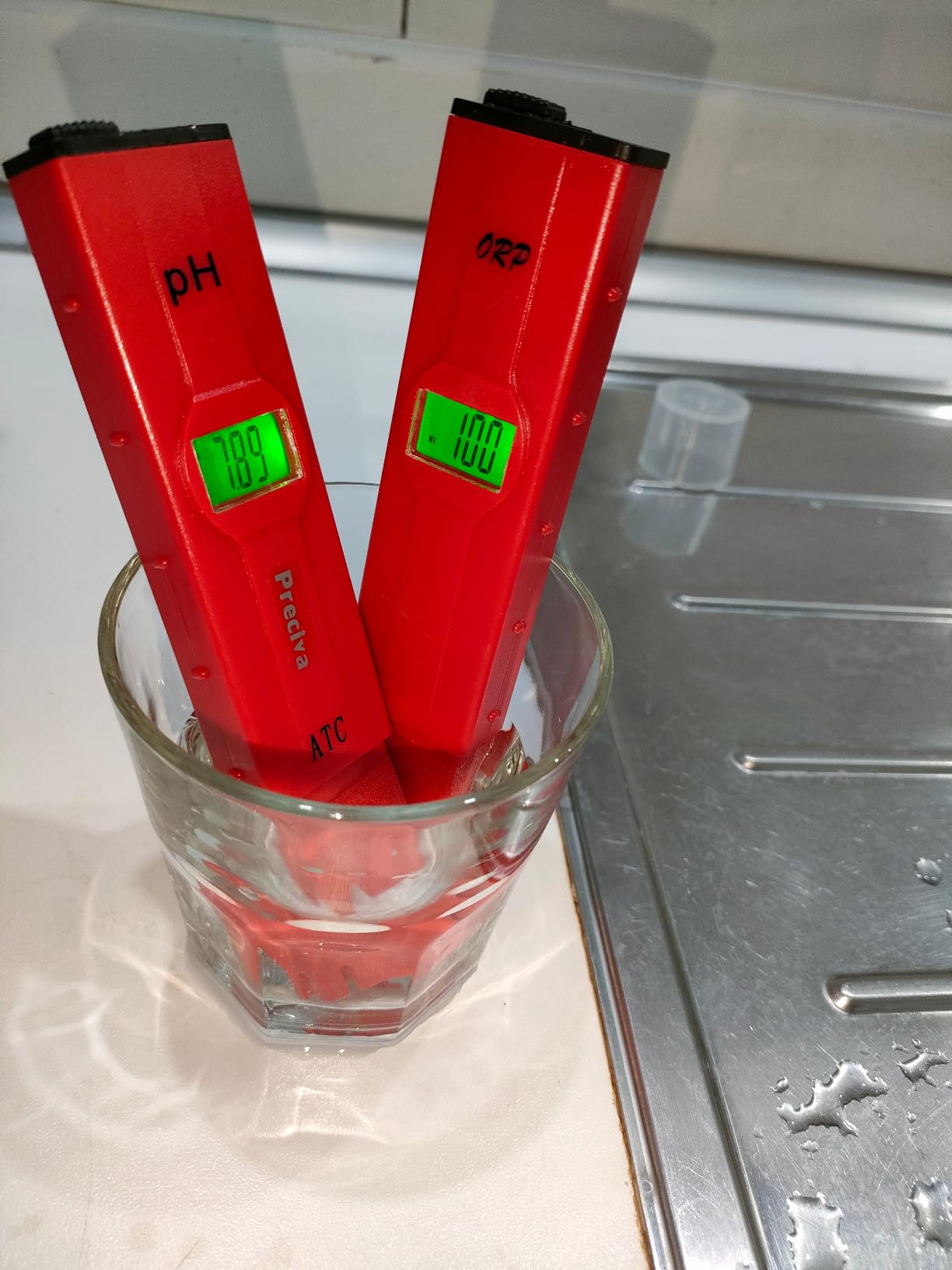
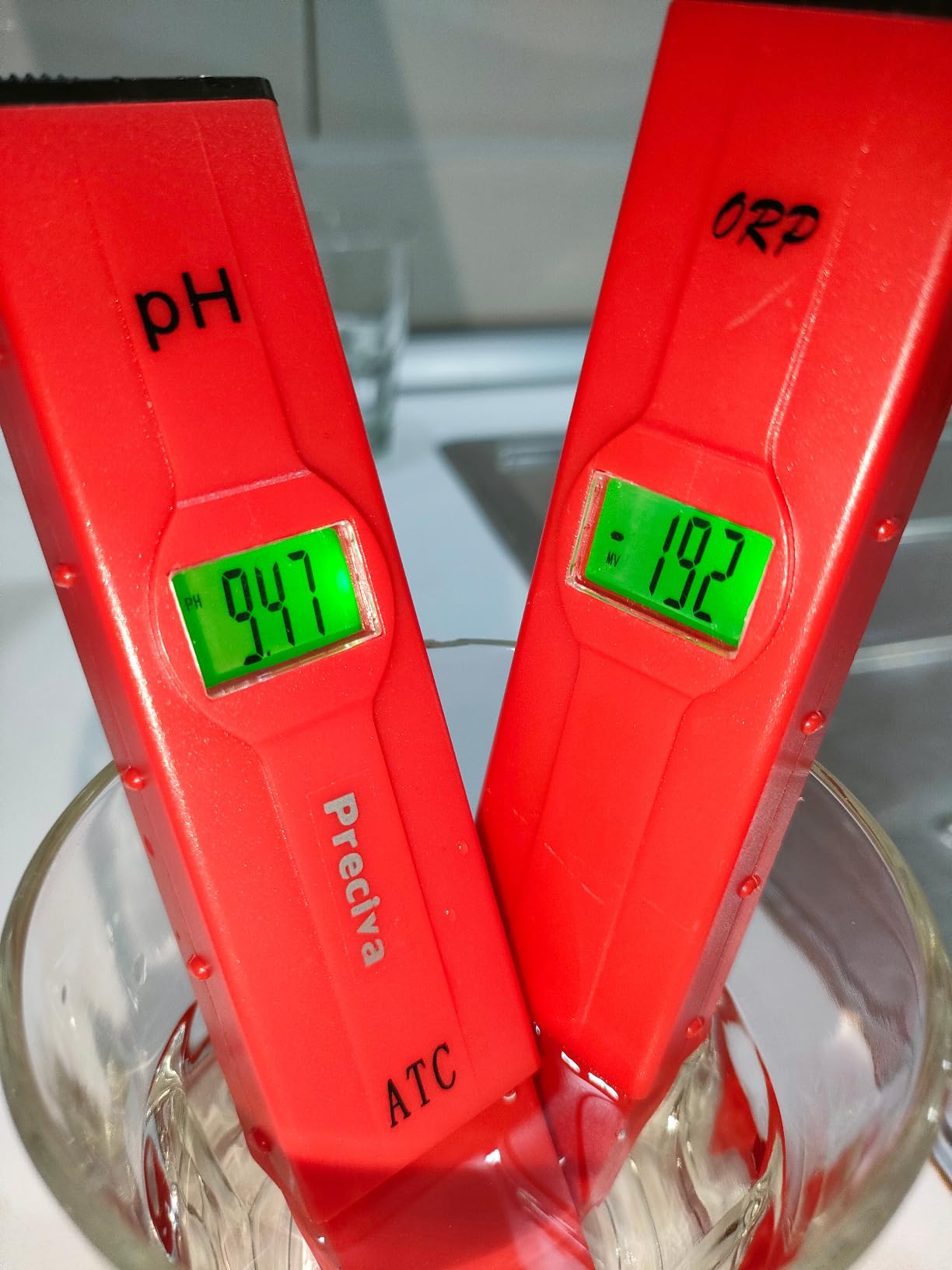
Dopo avere effettuato le analisi dell'acqua con gli strumenti che si vedono in foto posso dire che la caraffa filtrante è ottima, rispetta quanto dichiarato. All'inizio l'acqua di rubinetto non filtrata si è stabilizzata su valori di PH 7.89 e ORP +100, dopo la filtrazione si è stabilizzata su valori di PH 9.47 e ORP -192, per un filtro sono ottimi valori. Si può vedere anche il confronto con il reagente, l'acqua filtrata ha un colore più scuro. La consiglio sicuramente.
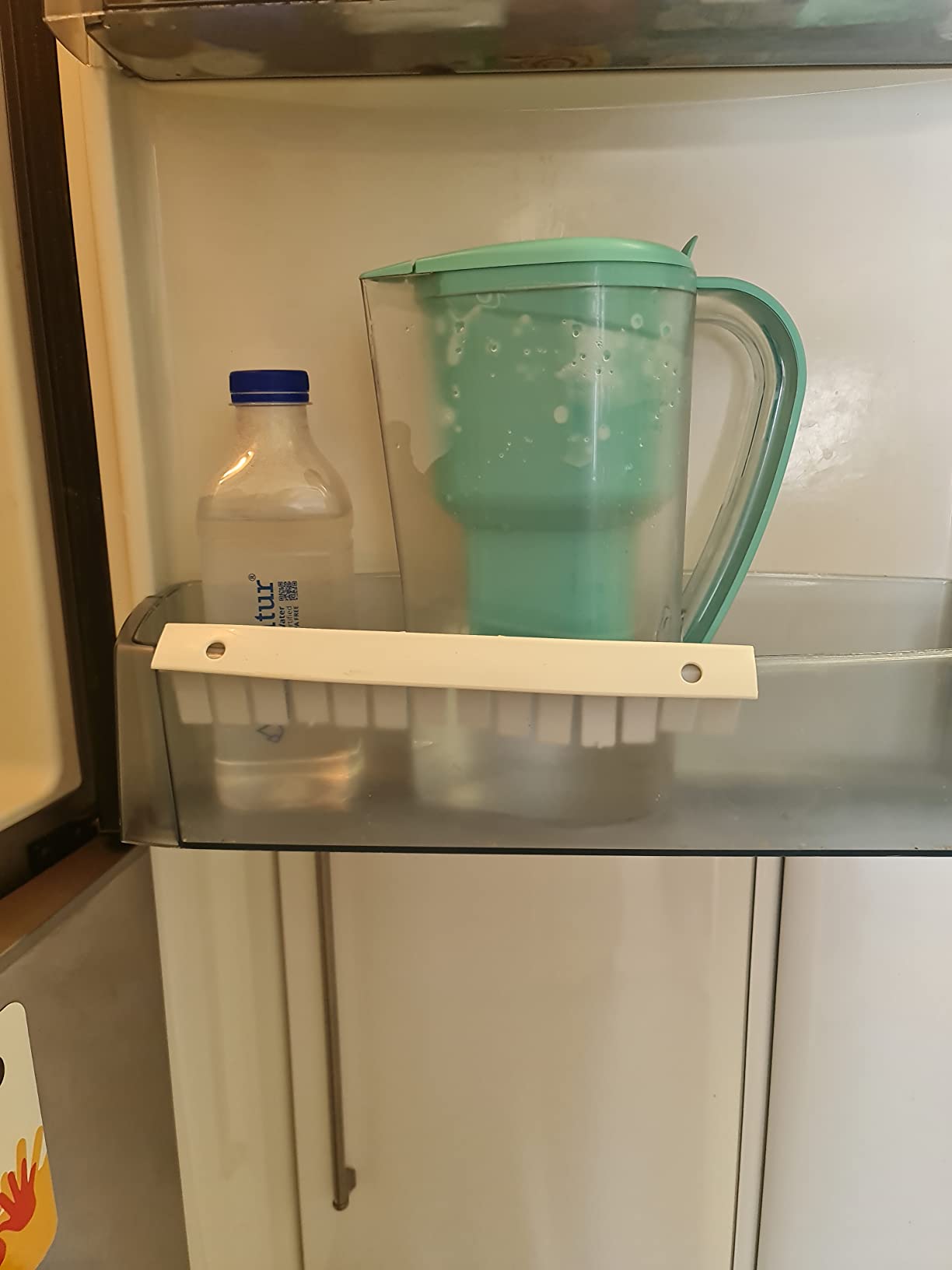
He de decir que después de haber probado varios sistemas de filtrado de marcas súper conocidas, me ha sorprendido su sabor, que sabe a eso a agua fresca, limpia. Las de las otros sistemas probados, era una sensación espesa lo que notaba en la boca. Con esta jarra, su sabor es que no sabe a nada, solo a frescura. Me ha sorprendido verdaderamente y si se tiene en cuenta que alcaliniza y aporta magnesio, cosa que es tan necesario para los huesos, pues todo son ventajas, sin alterar el sabor a agua pura. Recomendable más que al 100%Importante leer bien como activar el filtro.Cabe perfectamente en el frigorífico.Pregunté por el nivel del agua que debería tener la Jarra, porque no decía nada, y me dijeran que la que se quiera. Yo voy llenando la botella que incluye y voy filtrando. Así, tengo agua deliciosa todo el tiempo. La uso para cocinar y se nota, y para hacer café se nota la diferencia a mejorNota importante. He leído algunos comentarios sobre residuos negros que deja la jarra, y esto es sin duda, porque no se ha activado correctamente, como indican las instrucciones, el filtro. Es normal, y ya dice que se tiene que realizar varias filtraciones antes de usar el filtro, y antes de ésto, hay que activar el filtro tal y como indican sumergiéndose invertido en agua hasta que deja de burbujas y hay que moverlo. A mi me pareció muy sencillo, no tuve que sumergirlo 20 minutos, como dijo alguien en comentarios por aquí.Deberíamos leer bien antes de usar, y si hay alguna duda contactar con atención al cliente de Alkanatur. Tiene un teléfono con wasap para ésto, que es un valor.
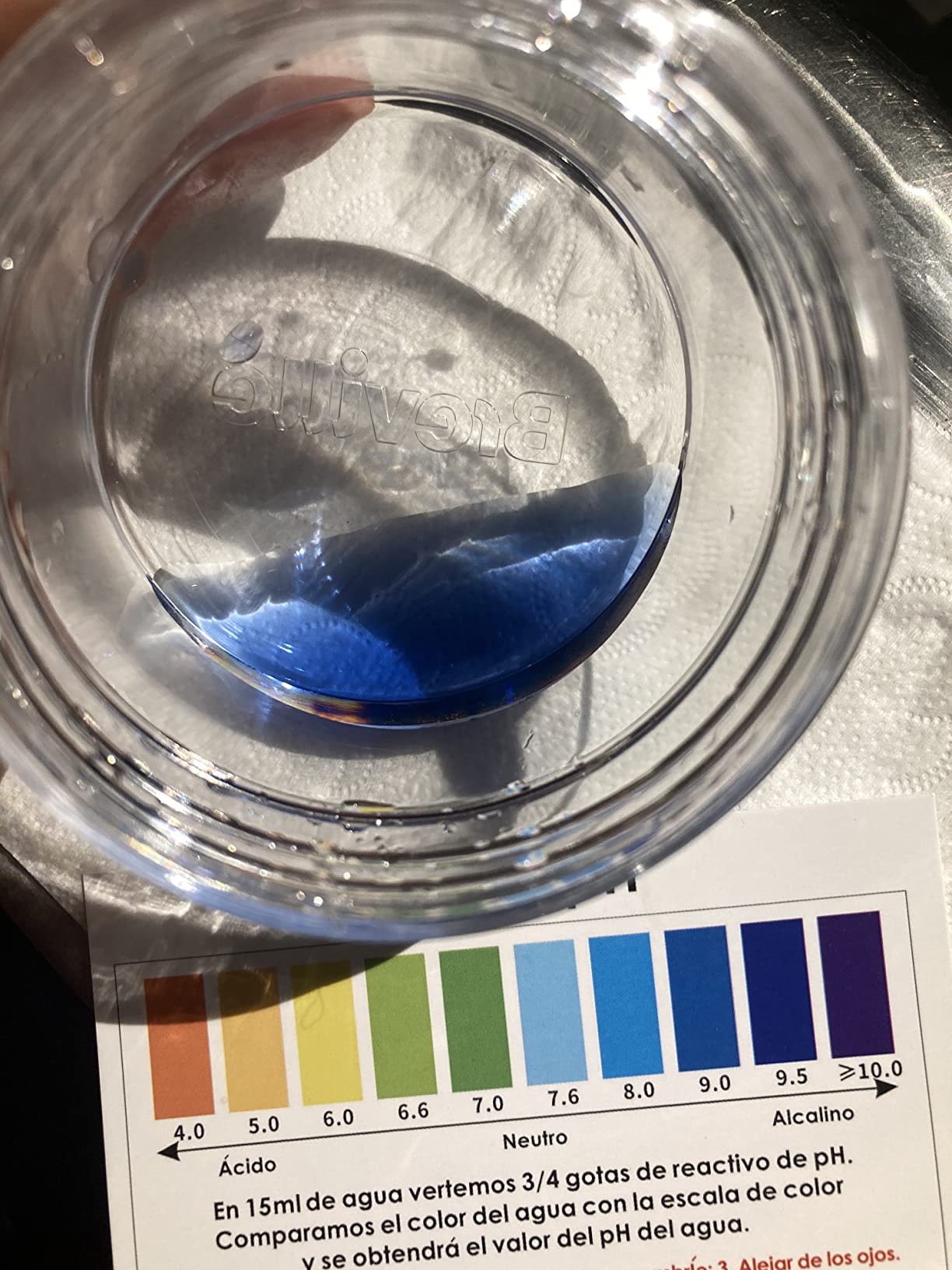
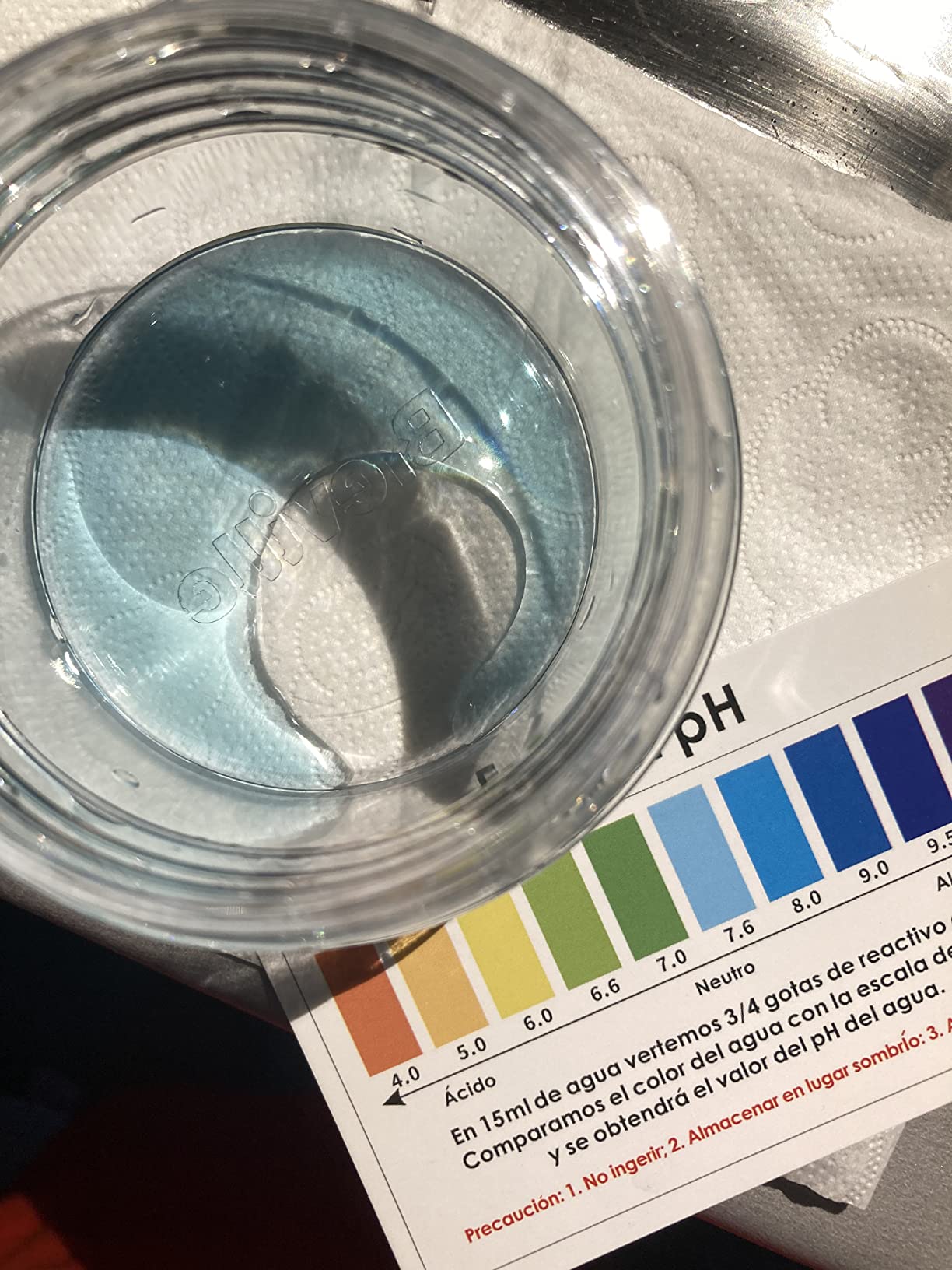
Reseña el 30 de julio de 2022Me sorprende el sabor del agua filtrada con esta jarra y la sensación que me deja en la garganta—un agua muy fina y ¡tan rica! Es un placer beberla.He subido también dos fotos con el PH del agua antes y después de filtrarla—la primera foto (PH ~7.6) con agua de grifo (Barcelona) y la segunda foto (PH ~9.0) con el agua filtrada con esta jarra Alkanatur.Si sigue así 3 meses con el mismo filtro... va a ser la mejor compra que hice en mucho tiempo.Y una cosa más—filtra el agua despacio -- tal y como debería para filtrarla lo mejor posible.Volveré en unos 3 meses para confirmar la duración de un filtro, ¡ojalá me dura tanto! 😁
This filter was great up until recently... About a week or two ago I noticed tiny white particles floating around at the bottom of my glass of water. I assumed it was leftover detergent stuck on the bottom of the glass from my dishwasher and brushed it off. Then each time after that I noticed the same thing was happening-my water was cloudy- so I switched my dish detergent to try to solve the issue.It wasn’t until today that I realized it was the filter that was the problem.I poured a glass of water and there were visibly large white particles floating in the water, bigger than I had ever seen before & it looked unhealthy to drink. Very disappointed in this product especially for the high price I paid.I attached a photo comparing water from my Brita filter and this Alkaline filter so you can see what I am talking about.

Thank you for the quick and simple ordering and delivery process, I really appreciate it. I am very impressed with taste of my water and I am looking forward to the added health benefit.
Thank full to Richard as always for putting us on the right track
My water filter jug arrived really quickly, and I’m so impressed with it already. The water tastes noticeably cleaner, fresher, and just better overall. Super easy to use and definitely worth it if you want an instant upgrade to your everyday water. Highly recommend!
Es fácil de usar y siempre tienes agua en casa
El agua sabe mejor. Filtra bien y estoy muy contenta
Great tasting water and the ph level of the water is surreal. I felt the benefits instantly. On the first day, I noticed significantly more energy, I was in a better mood, could concentrate more easily, and I assume the effects will compound over time through use of this pitcher.They even throw in extra components incase something breaks. I tested the brita water with the accompanying testing kit, and the water turned yellow while the aquanatur water turned purple with a few ph testing drops added. We have since stored the Brita in the basement as we will be using this pitcher from now on. The price is well worth it.It also filters water at relatively the same rate of speed as a Brita filter. The water tastes clean and refreshing. I only wish I made the switch sooner.
Excelente *****
Great product! Great tasting water and tests better than the most popular glass bottled water on the market! Buying the shower head filter now with another water filter.
Es la mejor opción para beber agua de una forma saludable.El agua tiene un sabor buenísimo!!Y su filtro nos asegura que el agua queda totalmente limpia y filtrada de sustancias tóxicas, además ioniza el agua lo cual aporta beneficios para la salud.
I bought the water jug, so far this is the best tasting alkaline water I ever drank.
Bought it for my clinic patients to drink after treatment, they love them too. Highly recommended!!
Je suis ravie de cette carafe, mon eau du robinet a un gout désagréable et après la filtration, l'eau est excellente, elle a un vrai gout neutre.J'ai fait les mesures et son PH est bien alcalin après la filtration.J'ai de l'arthrose et je dois avoir une alimentation alcalinisante, j'ai donc revue mon alimentation et cette eau m'aide beaucoup afin de purifier on organisme qui en a bien besoin.Je l'utilise déjà depuis plus d'1 an et c'est ma 2iéme commande pour une autre habitation.J'ai contacté le vendeur ici sur le site car j'avais une question et il m'a appelé 15 minutes plus tard sur mon portable pour un échange en direct, le SAV est donc excellent et la personne était très agréable.Fini le port des lourdes bouteilles d'eau , un gout délicieux et une santé qui s'améliore...que demander de plus.A la base j'avais vu une vidéo d'une naturopathe qui conseillait cette carafe Alkanatur, et son explication m'avait convaincue, j'ai testé et je suis maintenant Fan
Hace algunos meses que lo estoy utilizando y es muuy recomendable. El agua es agua de verdad.
Hace años que utilizo estás jarras y el resultado es espectacularmente bueno . Más que recomendable.
Con esta jarra el sabor del agua es una maravilla. Compré la jarra con reservas porque ya tenía una de otra marca muy conocida y no la usaba porque no me gustaba el sabor que daba al agua pero en la jarra de Alkanatur el agua está buenísima. Podía tener un diseño más bonito y más práctico porque es verdad que al volcar la jarra, al final, acaba cayendo un poco de agua sin filtrar que queda en el depósito. Es cuestión de hacerse con las cantidades que se van filtrando y tener algo de cuidado. Estoy satisfecha con la jarra.
I bought it because it is made in Spain and I expected excellent quality. I was not wrong. I read and followed the manual and bam! I got good water. Tastes good. No funny smell. No fluoride👌 It's alkaline 👍💪 Yes, I am a very satisfied and happy customer.
El agua no sabe a nada,la depura muy bienMe encanta, una buena inversión


